The Claremont City Guide: Trees, Trains, and the County Line
A walkable Village, seven college campuses, hillside lots against the foothills — and a county line that catches almost every buyer off guard.
Park once in the Claremont Village and you probably won't move the car again all day. The streets run under a canopy of mature trees, seven college campuses start a block behind the storefronts, and the train platform is a walk away. People have called this the City of Trees and PhDs for decades, and both halves earn their keep.
If you're weighing a move here, this is the useful version — neighborhoods, daily life, schools, commutes, and what homes cost. One thing up front, because it catches almost every buyer off guard: Claremont is in Los Angeles County. Upland starts a mile east, in San Bernardino County — and Claremont's median runs roughly a third higher. That gap is the first thing to understand here.
The vibe: a college town that grew out of a citrus grove
Claremont was a citrus town first — packing houses along the rail line, groves across the flats, and a downtown built at a walking scale a century before anyone called that a design philosophy. That's the Village you walk today: narrow blocks, storefronts at the sidewalk, shade.
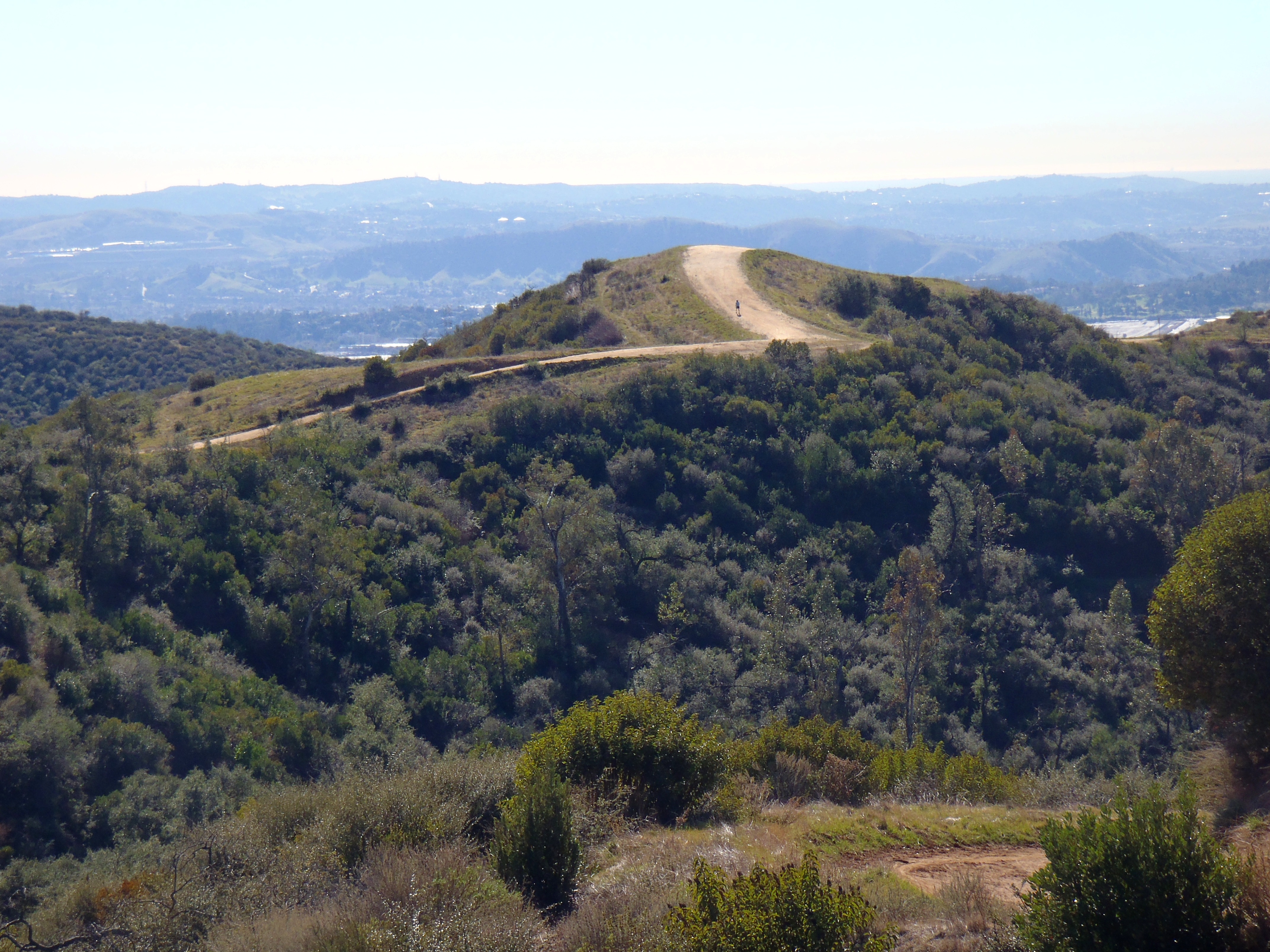
The other half is the Claremont Colleges — Pomona, Scripps, Claremont McKenna, Harvey Mudd and Pitzer, plus Claremont Graduate University and Keck Graduate Institute — seven institutions on contiguous campuses in a city of 37,266, which packs in more lecture halls and century-old trees per square mile than its size predicts. Historic Route 66 runs through on Foothill Boulevard, and the San Gabriels hold the northern skyline.

Neighborhoods at a glance
Where you land changes the texture of the day more than it does in most cities this size.
- The Village and the blocks around it: Historic early-1900s Craftsman and bungalow homes on smaller lots, and the shortest walk to the Village's restaurants and shops, the Sunday market and the train. The most walkable part of the city, priced accordingly.
- Claraboya: A self-governed hillside tract of roughly 200 homes built from 1964, stepping up the slope north of town with valley views and quick trail access.
- Padua Hills: Also on the slope, with roots to 1938 and a 78-home planned addition from 2007, beside the historic Padua Hills Theatre. Larger lots and custom homes.
- Central Claremont: Mid-century ranch homes across the flats on regular lots. Often the most square footage per dollar inside city limits.
- Russian Village: The southern end of the city, named for the National Register district at its heart — field-stone houses built by Polish immigrant Konstanty Stys during the 1930s. Around that historic core it's the more attainable end of the Claremont market, with the easiest freeway access.
Living here: trees, trails, and a Sunday market
The Claremont Hills Wilderness Park is the outdoor anchor — foothill trails running north into Marshall Canyon and up toward the ridgeline. The California Botanic Garden is the largest garden in the state devoted entirely to California native plants. And the Claremont Farmers & Artisans Market takes over Harvard Avenue in the Village on Sunday mornings, 8 a.m.–1 p.m., rain or shine, with around 60 vendors and the whole Village to wander afterward.
Schools
The city is served by the Claremont Unified School District — eleven schools, including Claremont High School, El Roble Intermediate, San Antonio High School (a continuation campus), and seven elementary schools.
Boundaries deserve extra care here. Cross east and you're in another county's system, not just another district — Rancho Cucamonga alone has four elementary districts feeding Chaffey Joint Union High. If a specific school matters, confirm the boundary for the exact address with the district, not the listing.
Getting around — and the train that isn't here yet
Claremont sits between the 210 and the 10. The Metrolink San Bernardino Line stops at the depot on West First Street, right in the Village — 44 trains every weekday, straight through to LA Union Station. A commute you can walk to is the rarest thing Claremont offers. Ontario International Airport is about ten miles out.
Now the part you'll hear oversold. Metro's A Line reached Pomona in September 2025, one city west, but Claremont's 2.3-mile segment is still in design — major construction starts late 2027 at the earliest and runs about four years, and San Bernardino County pulled its funding for the leg beyond Claremont. Buy for the Metrolink you can ride on Monday, not a station that hasn't broken ground.
The real-estate snapshot
Claremont's housing stock is unusually varied for a city its size: Craftsman and bungalow homes from the citrus era near the Village, mid-century ranches across the flats, and hillside tracts from the 1960s and later stepping up toward the foothills. That range is why a single citywide median tells you less here than it would in a city built in one decade.
Here's the part worth sitting with. Claremont is the priciest of the three and the only one whose median rose over the year — Upland slipped 0.54%, Rancho Cucamonga 2.9%. Yet Redfin scores it the least competitive: a quarter of listings — 25.3%, up 6.1 points — cut their price before selling. Well-priced homes move quickly here; overpriced ones sit, then discount. For sellers, the list price does more work than the staging; for buyers, there's room on anything that's been sitting.
| Metric | Claremont | Upland | Rancho Cucamonga |
|---|---|---|---|
| County | Los Angeles | San Bernardino | San Bernardino |
| High school district | Claremont Unified | Upland Unified | Chaffey Joint Union |
| Median sale price | $1,099,402 | $817,555 | $786,072 |
| Year over year | +2.4% | −0.54% | −2.9% |
| Median days on market | 35 | 41 | 42 |
| Median price / sq ft | $520 | $440 | $450 |
Sources: Redfin, June 2026 — Claremont, Upland, Rancho Cucamonga. Redfin reports a separate 42.5-day figure for Claremont in its competitiveness module; the days-on-market row above uses each city's trends figure so the three are measured the same way.
"Buyers tour Claremont for the trees and the Village. The ones who move here are the ones who realize they'd actually walk to both."— Lori Bright, Bright Sterling Team
That's Claremont from the ground up. If the walkable-downtown-with-mountains-behind-it version of the foothills is what you're after, we're in these three cities every week and would be glad to help you find the right corner of town.
Thinking about a move in the foothills?
Whether you're buying, selling, or just curious what your home is worth today, we'd love to talk.
Get in touch